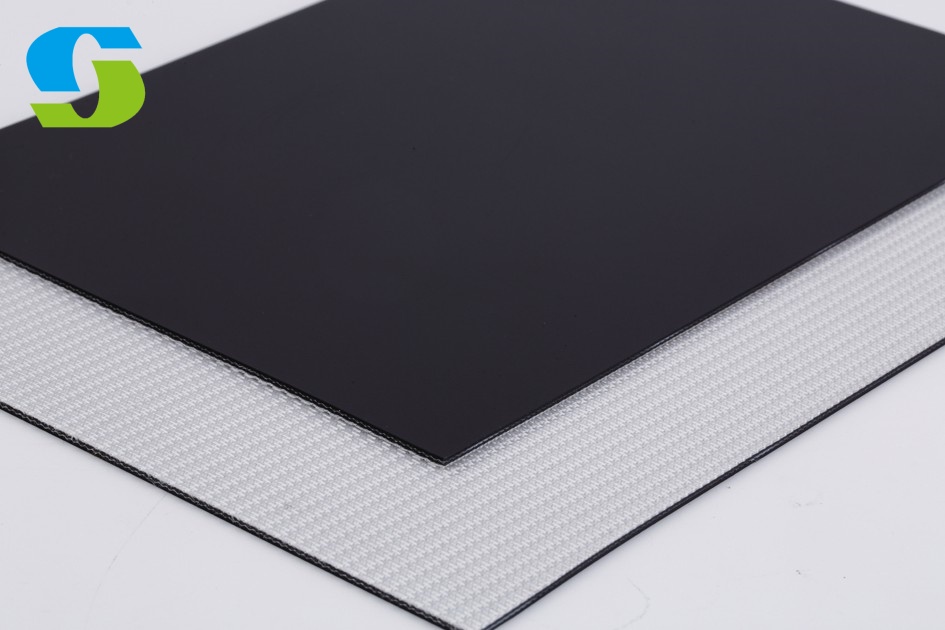
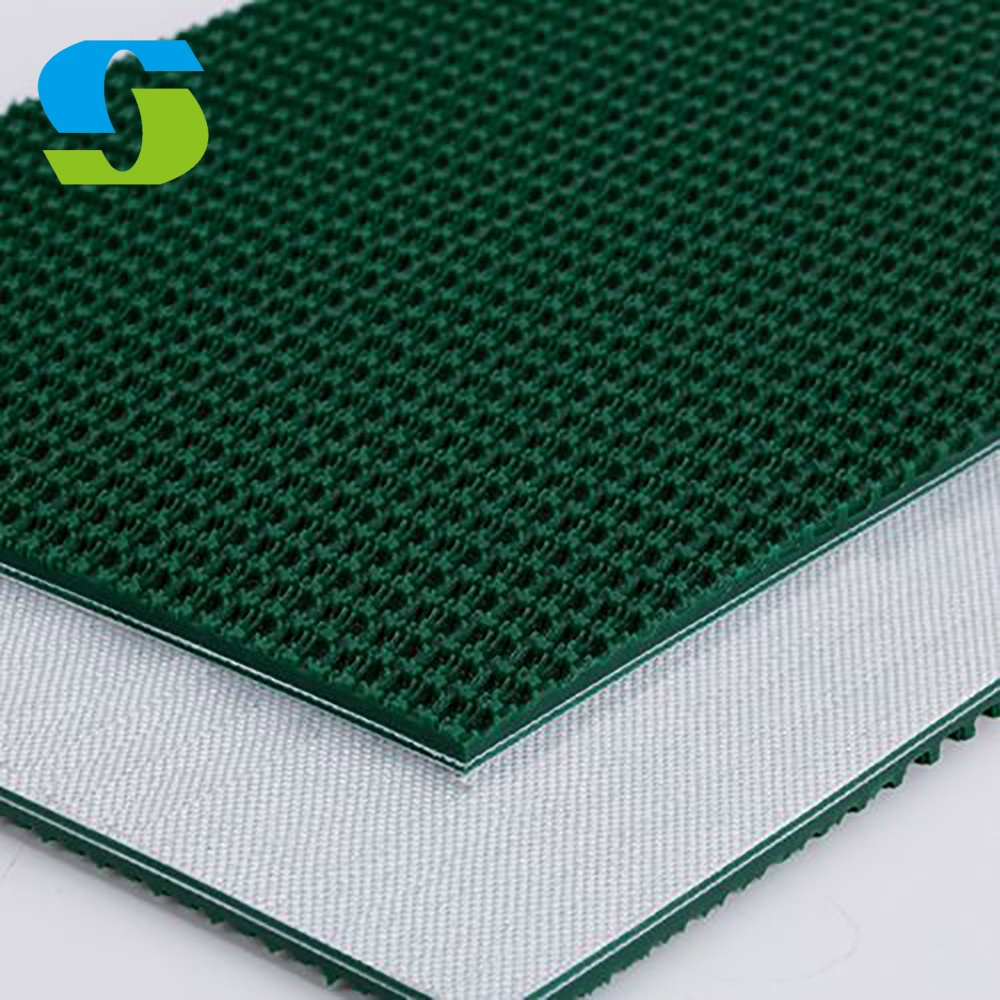
When choosing a conveyor belt for food processing applications, the material’s safety and compliance with food-grade standards become a top priority. Among the many types of conveyor belts available on the market today, PVC (polyvinyl chloride) conveyor belts are one of the most commonly used. But a question often arises: Is a PVC 컨베이어 벨트 food grade?
The answer is: It depends on the formulation and intended application.
Understanding PVC Conveyor Belts
PVC conveyor belts are manufactured using polyvinyl chloride, a synthetic plastic polymer. These belts are widely favored due to their flexibility, cost-effectiveness, resistance to chemicals and abrasion, and ability to be fabricated in a wide range of thicknesses and surface textures.
PVC belts are found in industries such as:
- Food processing
- Pharmaceutical manufacturing
- Packaging
- Agriculture
- Logistics and warehousing
However, not all PVC belts are suitable for direct food contact.
What Makes a Conveyor Belt “Food Grade”?
A food-grade conveyor belt must meet strict safety and hygiene standards set by regulatory bodies. In the United States, for example, the FDA (Food and Drug Administration) sets forth regulations under Title 21 CFR that dictate which materials are safe for direct contact with food.
Characteristics of a food-grade conveyor belt include:
- Non-toxic material composition
- Resistance to oils, fats, and moisture
- Smooth, non-porous surface for easy cleaning
- No contamination risk from plasticizers or other additives
- Temperature resistance appropriate for food processing conditions
Therefore, only certain formulations of PVC conveyor belts meet these standards. These are explicitly labeled as “food-grade PVC conveyor belts” by their manufacturers.

Comparing PVC with PU Conveyor Belts in Food Applications
| Feature | PVC 컨베이어 벨트 | PU 컨베이어 벨트 |
|---|---|---|
| 재질 | Polyvinyl chloride | Polyurethane |
| 내구성 | Moderate to high | High |
| 유연성 | Good | Excellent |
| Oil/Fat Resistance | Moderate | Excellent |
| 온도 허용 오차 | -10°C ~ +80°C | -30°C to +100°C |
| FDA/EC Food Approval | Available in food-grade versions | Widely available in food-grade |
| Surface Texture | Smooth or textured | Typically smooth |
| Cleaning Ease | Easy (food-grade types) | Very easy |
PU (polyurethane) belts are often preferred for heavy-duty or high-temperature food processing due to their superior oil resistance and thermal stability. However, PVC food-grade belts remain a cost-effective option for dry food handling and light processing tasks.
Types of Food-Grade PVC Conveyor Belts
Food-grade PVC belts come in different styles depending on the specific food handling requirement:
- Smooth surface belts: Ideal for bakery items, packaged goods, and dry foods.
- Textured or rough top belts: Provide grip for inclined transport of fruits, vegetables, or baked goods.
- Cleated belts: Help contain products on inclined surfaces.
- Sidewall belts: Used when transporting food items on steeper angles or within confined spaces.
Each belt type is customized based on:
- Belt thickness
- Color (typically white or blue to indicate food-grade status)
- Antimicrobial treatment (optional for additional hygiene)
Applications of Food-Grade PVC Conveyor Belts
Some of the most common applications where food-grade PVC belts are used include:
- Bread and biscuit manufacturing lines
- Packaged snack transport
- Confectionery processing
- Meat and poultry packaging
- Fruit and vegetable grading
These belts are often used in combination with stainless steel conveyor systems for full compliance with food safety requirements.
Considerations When Choosing a Food-Grade PVC Conveyor Belt
When selecting a PVC belt for food applications, consider the following:
- Certification: Ensure the belt is FDA-approved or meets equivalent international food contact standards (such as EC 1935/2004 in Europe).
- Temperature: Match the belt to your process’s temperature range.
- 청소 방법: Some belts are better suited to wash-down procedures.
- Chemical exposure: If the belt will come into contact with cleaning chemicals, oils, or fats, choose a formulation resistant to those substances.
- Cost vs. performance: While PU belts often outperform PVC in durability, cheap PVC conveyor belts are sufficient for many low-intensity, dry food applications.
Working with Reputable Suppliers
When sourcing a PVC conveyor belt for sale, especially for food-related use, it’s essential to work with trustworthy suppliers and manufacturers who can provide technical datasheets and certification documentation.
Top-tier PVC conveyor belt manufacturers 및 PVC 컨베이어 벨트 공급업체 usually offer:
- Custom-cut sizes and specifications
- Application-specific consultation
- Hygienic belt joining options (e.g., finger splicing)
- Belts with antimicrobial or anti-static properties
Final Verdict: Is PVC Conveyor Belt Food Grade?
Yes—but only specific types. Not all PVC belts are inherently food grade, but many are formulated to meet food safety standards. These are explicitly marketed as food-grade and are usually white or blue for visual hygiene checks.
For dry, low-temperature food processing tasks, PVC food-grade belts offer a reliable and economical solution. In contrast, for oily, wet, or high-heat applications, PU belts may be a more appropriate choice.
Always verify compliance documents before purchase, and consider your specific production needs when choosing between PVC and PU belt materials.
By partnering with experienced PVC conveyor belts factories and suppliers, you can ensure that your production lines remain safe, efficient, and compliant with global food safety standards.