Abstract:
Industrial conveyor belts play a crucial role in contemporary manufacturing, mining, logistics, and food processing industries, facilitating seamless material handling while enhancing safety, efficiency, and scalability.
Technical insights from the Conveyor Equipment Manufacturers Association (CEMA) highlight that well-designed conveyor systems can markedly decrease operational downtime and energy consumption, alongside boosting throughput reliability.
Similarly, engineering standards outlined by ISO underscore the significance of selecting appropriate belt materials, ensuring optimal tensile strength, and addressing environmental resistance to achieve long-lasting performance.
This 2026 industry guide delves into the complete range of conveyor belt types, structural designs, material advancements, application-specific categorizations, and the integration of cutting-edge intelligent monitoring technologies.
Introduction: Why Conveyor Belts Remain Central to Industrial Automation?
In virtually every industry, from aggregate mining to pharmaceutical packaging, conveyor belts serve as the lifeblood of operations. These essential systems effortlessly transport bulk materials, semi-finished goods, and finished products through complex processing stages. By reducing the need for manual handling, they not only streamline workflows but also significantly improve worker safety.
As we look ahead to 2026 and beyond, the rapid pace of industrial automation is transforming conveyor systems into much more than simple mechanical transport tools. Today’s modern conveyor belts are sophisticated solutions, equipped with advanced features like energy optimization technology, wear detection sensors, fire-resistant materials, and cutting-edge polymer innovations.
Choosing the right conveyor belt is no longer just about finding a functional piece of equipment—it’s a strategic move that can directly influence operational efficiency, reduce maintenance costs, and ensure compliance with safety standards. As such, it becomes critical to fully understand the variety of conveyor belts available on the market and assess their specific performance attributes to make smart design decisions for your system.

Classification by Structural Construction
Conveyor belts can primarily be classified based on their structural design and reinforcement system.
- Fabric (Textile) Reinforced Conveyor Belts
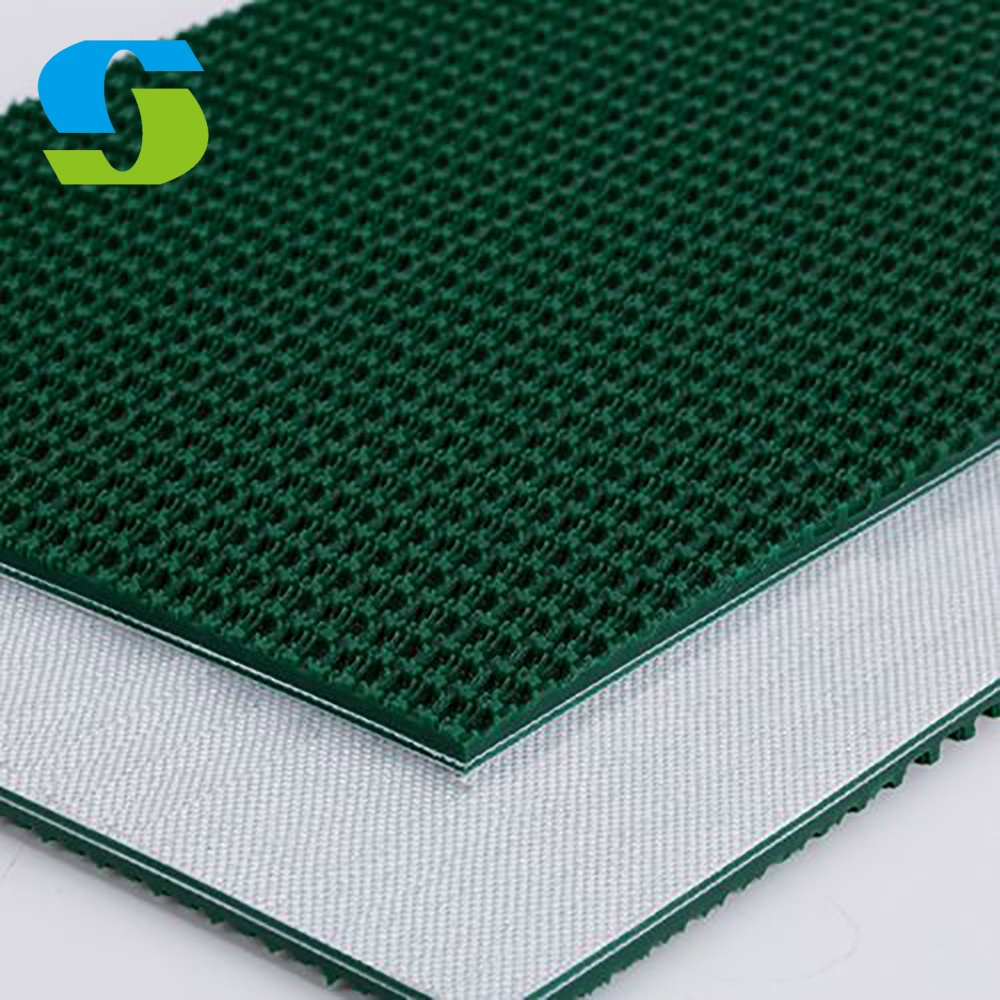
Fabric conveyor belts are some of the most commonly used types for light to medium-duty industrial operations. They are composed of multiple layers (plies) of woven fabric—typically made of polyester, nylon, or cotton—encased within rubber or PVC covers.
The textile layers offer tensile strength and flexibility, making them well-suited for applications involving moderate loads, such as packaging lines, agriculture, and food processing.
Key advantages:
– Cost-efficiency
– High flexibility
– Lightweight design
– Simplified installation process
However, these belts have limitations, including lower resistance to extreme loads or impact from sharp materials.
- Steel Cord Conveyor Belts
Steel cord conveyor belts are built with longitudinally arranged steel cables as reinforcement. These belts are designed for heavy-duty tasks and long-distance transportation, particularly in mining and bulk handling environments.
Steel cords offer:
– Exceptional tensile strength
– Low elongation properties
– Superior load-bearing capacity
– Extended service life
These qualities make them ideal for moving materials such as coal, ore, cement clinker, and aggregates over extensive distances.
Fabric vs Steel Cord Conveyor Belts
|
Feature |
Fabric Belt | Steel Cord Belt |
|
Tensile Strength |
Moderate | Very High |
| Elongation | Higher |
Minimal |
| Flexibility | High |
Moderate |
| Suitable Distance | Short–Medium |
Long-distance |
| Typical Industries | Packaging, food |
Mining, bulk material |
Classification by Belt Surface Design
Surface design plays a crucial role in determining grip, material containment, and incline handling capabilities.
- Flat Conveyor Belts:
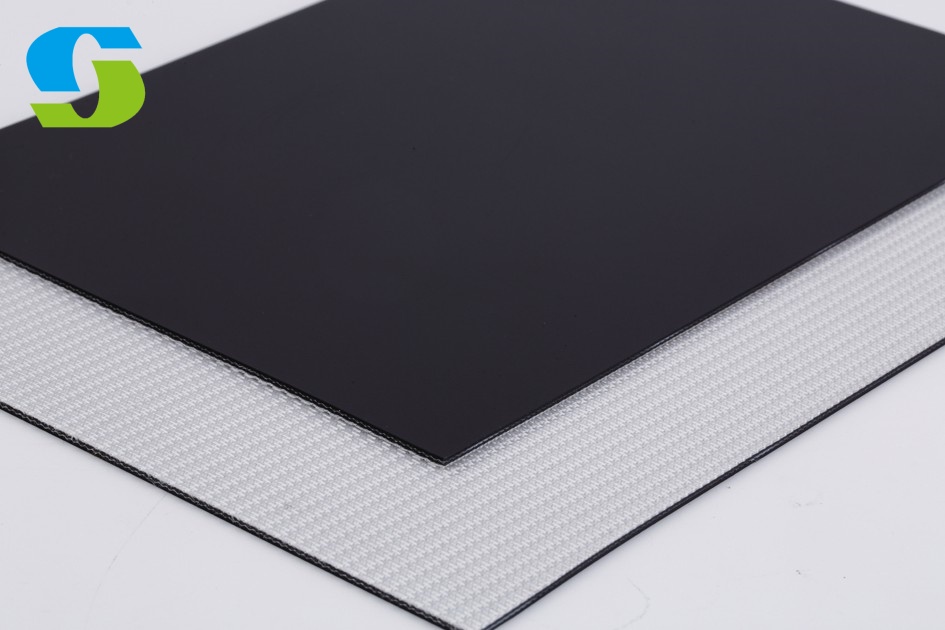
Flat belts are the most commonly used type in manufacturing and logistics environments. Featuring a smooth surface, they support lightweight items such as cartons and packages.
Typical applications include:
– Warehousing operations
– Airport baggage handling systems
– Assembly line processes
While these belts offer stable and reliable movement, they are less suited for steep incline transport.
- Cleated Conveyor Belts:
Cleated belts feature molded cleats or vertical barriers along their surface, which help prevent materials from sliding back on inclined pathways.
Common uses include:
– Transporting agricultural grains
– Operations in recycling facilities
– Inclined conveyor systems
Cleat height and spacing are customized based on the load requirements and the angle of incline.
- Sidewall Conveyor Belts:
Designed for steep or vertical conveyance, sidewall belts are equipped with corrugated vertical sidewalls and transverse cleats. These features reduce spillage and improve bulk material handling efficiency.
These belts are widely utilized in industries such as:
– Mining operations
– Port terminals
– Fertilizer production plants
Classification by Material Composition
The type of material used in conveyor belts plays a crucial role in determining their chemical resistance, durability against abrasion, and ability to handle extreme temperatures. Let’s explore some popular conveyor belt materials and their key applications.
- Rubber Conveyor Belts
Rubber belts are the backbone of heavy industries. Combining natural rubber with synthetic materials like SBR or EPDM makes these belts exceptionally durable and capable of withstanding tough impacts. Several variants of rubber belts cater to specific needs, such as:
– Abrasion-resistant rubber belts
– Heat-resistant rubber belts
– Oil-resistant rubber belts
– Flame-retardant rubber belts
Thanks to their robust nature, rubber conveyor belts are highly preferred in demanding industries like mining and quarrying, where resilience is paramount.
In the food processing and packaging industries, PVC belts are a top choice due to their versatile features. They offer excellent flexibility, resist moisture effectively, and are easy to clean, all of which are critical in hygienic environments. Key benefits include:
– Hygienic and smooth surface
– Cost-effectiveness
– Lightweight structure
However, PVC belts have limitations regarding tolerance for extreme heat or handling heavy bulk loads, making them less suitable for those applications.

When superior chemical resistance and compliance with food-grade standards are essential, polyurethane belts stand out. Frequently employed in industries such as:
– Meat processing plants
– Bakery operations
– Pharmaceutical production lines
PU belts outperform PVC in resisting oils and fats, making them ideal for handling greasy or oily products. Their durability and food-safe nature ensure they’re a trusted choice for a variety of applications requiring precision and cleanliness.
Selecting the right conveyor belt material largely depends on the industry-specific requirements and operating conditions. By understanding the unique characteristics of each type, businesses can optimize their operations and enhance efficiency.

Comparison of Common Conveyor Belt Materials
|
Material |
Temperature Resistance | Chemical Resistance | Abrasion Resistance | Food Safe |
|
Rubber |
High (varies by type) | Moderate | High | Limited |
|
PVC |
Moderate | Moderate | Moderate |
Yes |
| PU | Moderate | High | High |
Yes |
| Silicone | High | High | Moderate |
Yes |
Specialized Conveyor Belt Types
As industries diversify, specialized belt technologies have emerged.
- Modular Plastic Conveyor Belts
These belts consist of interlocking plastic modules. Damaged sections can be replaced individually, reducing downtime.
Applications include:
– Beverage bottling
– Automotive assembly
– Food production
Modular belts allow easy cleaning and reconfiguration.
- Wire Mesh Conveyor Belts
Metal wire mesh belts are used in high-temperature environments such as baking ovens or heat treatment furnaces.
Advantages:
– Heat resistance
– Airflow permeability
– High durability
- Magnetic Conveyor Belts
Magnetic belts incorporate embedded magnets for transporting ferrous materials. These are common in scrap metal recycling.
- Hygienic Conveyor Belts
In 2026, hygienic belt design is becoming more advanced. Seamless thermoplastic belts reduce bacterial growth risks and support sanitation compliance.
Performance Parameters for Belt Selection
When selecting the right conveyor belt, it is essential to consider the following factors:
– Load weight
– Material properties (e.g., bulk, abrasiveness, stickiness)
– Conveyor length
– Incline angle
– Environmental temperature
– Exposure to chemicals
– Compliance with regulations
Neglecting these aspects can lead to early wear and tear or even system malfunction.
Energy Efficiency and Sustainability Outlook for 2026
Modern energy-efficient conveyor belts are designed with advanced features like:
– Low rolling resistance materials
– Optimized carcass constructions
– Reduced friction coefficients
These advancements help minimize energy use and decrease carbon footprint. Additionally, innovative efforts in sustainable manufacturing are increasingly incorporating recycled rubber and bio-based polymers to support eco-friendly practices.
Maintenance and Lifecycle Management
Proper maintenance extends belt’s lifespan significantly.
Key practices include:
– Regular tension checks
– Pulley alignment
– Cleaning to prevent buildup
– Monitoring wear patterns
Predictive maintenance using IoT sensors is becoming increasingly common.
Smart Conveyor Belts and Digital Monitoring
Modern systems integrate:
– Embedded temperature sensors
– Real-time wear detection
– Load monitoring systems
– AI-driven fault prediction
These features reduce downtime and improve safety compliance.
Industry-Specific Conveyor Belt Applications
- Mining and Bulk Material
Steel cord rubber belts dominate due to their high load capacity.
- Food and Beverage
PU and PVC belts ensure hygiene and compliance.
- Logistics and Warehousing
Flat belts provide stable, continuous movement.
- Automotive
Modular plastic belts support heavy part handling.
Conveyor Belt Type by Industry
|
Industry |
Recommended Belt Type |
Key Feature |
|
Mining |
Steel Cord Rubber | High tensile strength |
|
Food Processing |
PU Belt | Hygienic + oil resistant |
| Logistics | Flat PVC |
Lightweight + cost-efficient |
| Recycling | Cleated Rubber |
Incline transport |
| Automotive | Modular Plastic |
Replaceable sections |
FAQ: Conveyor Belts in Industry
- What are the main types of conveyor belts?
The main types include fabric belts, steel cord belts, modular plastic belts, cleated belts, sidewall belts, and wire mesh belts.
- Which conveyor belt is best for heavy mining applications?
Steel cord rubber belts due to their high tensile strength and durability.
- Are PVC conveyor belts food-safe?
Yes, many PVC belts are designed for food processing applications.
- How long do conveyor belts last?
Depending on use and maintenance, the lifespan ranges from 3 to 15 years.
- What is the most energy-efficient conveyor belt type?
Belts with low rolling resistance compounds and optimized carcass design.
- How do I choose the right conveyor belt?
Evaluate load, environment, temperature, incline, and regulatory requirements.
Conclusion
Conveyor belts are far more than simple tools for moving materials; they’ve become essential components of modern industrial efficiency.
Whether it’s the textile-reinforced belts used in packaging operations or the robust steel-cord systems designed for heavy-duty mining, each type is tailored to meet the unique demands of its industry.
As we move into 2026, breakthroughs in polymer chemistry, structural engineering, and digital monitoring are setting new benchmarks for performance and reliability.
By delving into the intricacies of belt construction, surface design, material innovation, and advanced monitoring technologies, businesses can unlock significant advantages. These include optimizing operational efficiency, minimizing downtime, and ensuring better long-term returns on investment.
Choosing the right conveyor belt is no longer a routine mechanical decision—it’s a critical strategy that underpins industrial success in today’s competitive landscape.