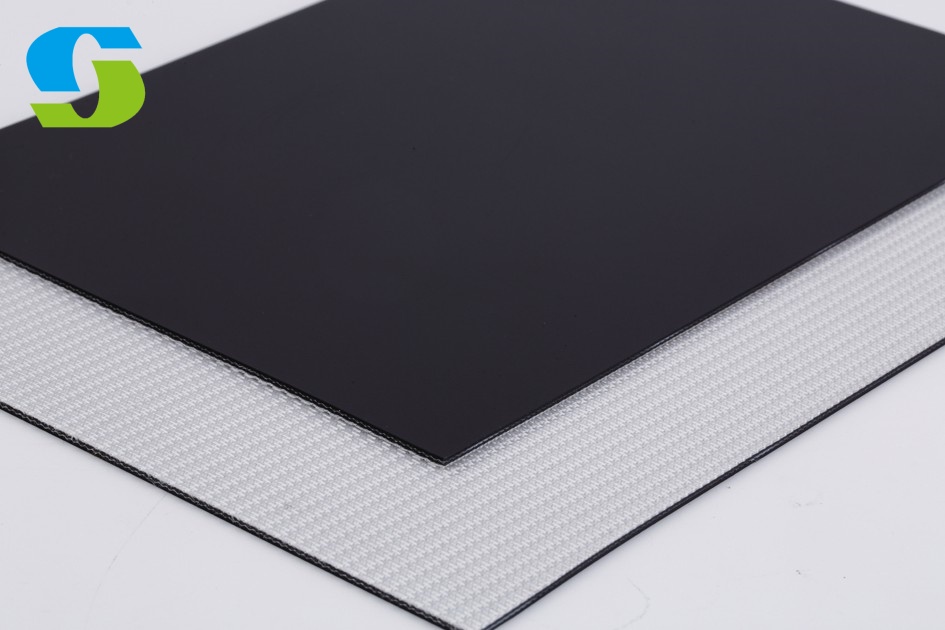
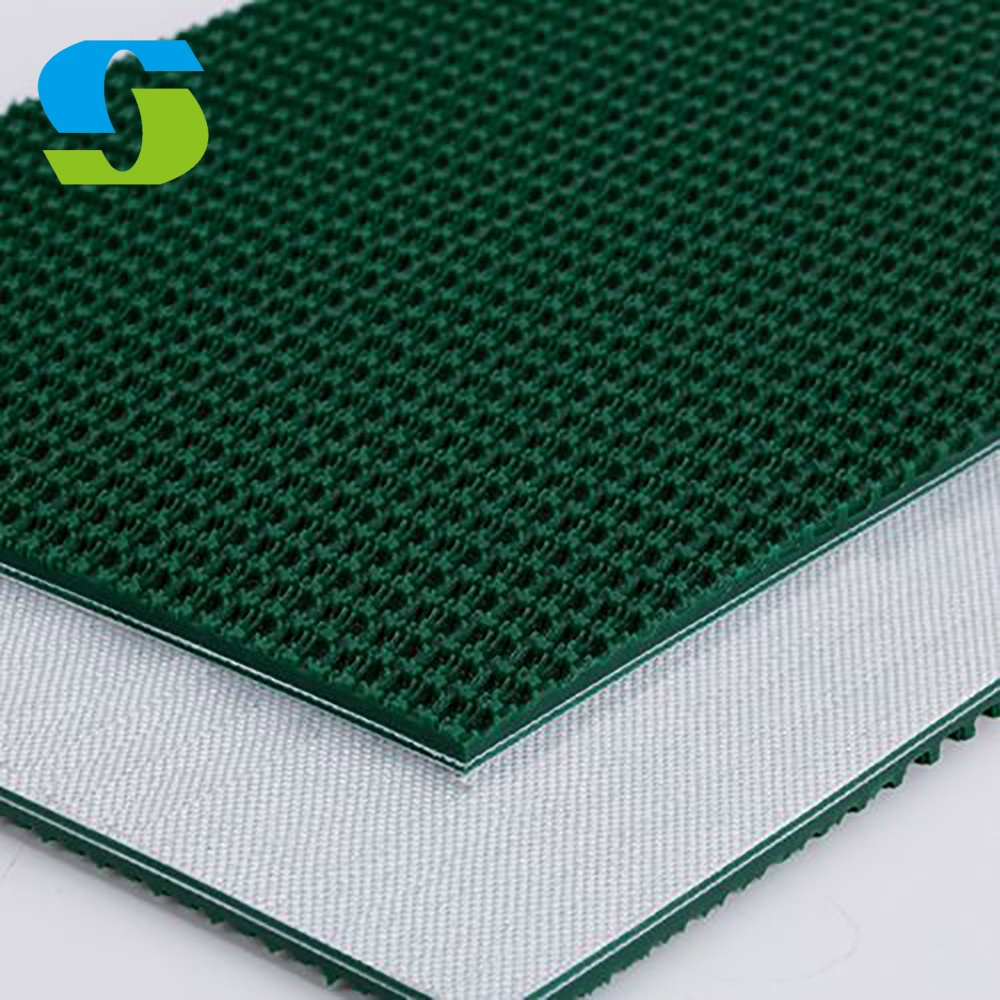
TPU conveyor belts are advanced thermoplastic polyurethane belts engineered for superior abrasion, flexibility, hygiene, oil resistance, and long life in modern industrial production.
According to industrial polymer engineering studies and conveyor belt manufacturing research published by companies and technical material specialists such as Esbelt and industry references related to thermoplastic polyurethane processing, TPU conveyor belt technology offers significant advantages over traditional PVC and rubber belt systems in food processing, logistics, packaging, pharmaceuticals, agriculture, and automated manufacturing.
TPU conveyor belts have become increasingly popular in high-efficiency production environments because of their lightweight, mechanical tenacity, hygienic properties, and low maintenance.
Introduction: Why TPU Conveyor Belt Technology Is Transforming Modern Industrial Conveying Systems
The global manufacturing industry has undergone enormous transformation over the past two decades. Production environments are becoming faster, cleaner, and more automated, with an increasing reliance on precision material handling systems that can operate continuously under demanding conditions. In this evolving industrial landscape, conveyor belt technology has become critical to operational efficiency, productivity, automation integration, and product quality control.
Of the many materials currently used for conveyor belts, TPU (thermoplastic polyurethane) systems have emerged as one of the most advanced and commercially valuable solutions for modern industrial conveying applications. TPU (thermoplastic polyurethane) combines the flexibility of elastomers with the mechanical strength and processability of thermoplastics. This unique material structure enables TPU conveyor belts to outperform many traditional conveyor materials in terms of wear resistance, hygiene, flexibility, oil resistance, durability, and operational lifespan.
Unlike conventional rubber conveyor belts, which may crack, become contaminated, be too heavy, or have limited chemical resistance, TPU conveyor belt systems are engineered to meet the increasingly strict operational requirements of industries such as:
- Food processing
- Meat and poultry production
- Pharmaceutical manufacturing
- Packaging automation
- Logistics and warehousing
- Agricultural processing
- Textile production
- Electronics manufacturing
- Automotive assembly
- Medical product handling
Modern TPU conveyor belt technology is important because industrial production lines now operate at higher speeds and under stricter sanitation standards. Downtime caused by conveyor failure can lead to significant financial losses, reduced productivity, and compromised product quality. Consequently, manufacturers are increasingly prioritising conveyor systems that offer a long service life, reduced maintenance requirements and stable performance under continuous operation.
TPU conveyor belts are gaining global popularity due to their exceptional balance of flexibility and durability. Thermoplastic polyurethane materials maintain excellent mechanical properties even under harsh environmental conditions, including:
- Low temperatures
- High humidity
- Frequent cleaning
- Oil exposure
- Chemical contact
- Continuous friction
- High-speed operation
Industrial conveyor manufacturers such as Wuxi Shunsheng have increasingly focused on TPU conveyor belt production due to the growing demand for hygienic, high-performance, and energy-efficient conveying systems in international industrial markets. According to technical information published by Wuxi Shunsheng, TPU conveyor belts offer superior wear resistance, flexibility, impact resistance, and operational stability compared to many conventional conveyor materials.
Today, TPU conveyor belts are no longer considered niche specialty products. They have become the go-to industrial conveying solution in automated factories, intelligent production systems, smart logistics centres and high-hygiene processing facilities worldwide.
Therefore, understanding the advantages and functions of TPU conveyor belt technology is essential for industrial buyers, factory engineers, production managers, equipment manufacturers, and maintenance professionals seeking reliable, efficient conveying solutions for modern industrial applications.
What Is a TPU Conveyor Belt and How Does It Work?
A TPU conveyor belt is a conveyor system that is constructed using thermoplastic polyurethane (TPU) as the primary surface or structural material. TPU belongs to the elastomer family, combining elasticity, abrasion resistance, flexibility, and chemical stability with thermoplastic processing capability.
The working principle of a TPU conveyor belt is similar to that of other conveyor systems. The belt rotates continuously around pulleys or rollers, transporting products, materials, or components between production stages. However, the material composition of TPU conveyor belts significantly improves their performance.
Unlike traditional rubber or PVC belts, TPU conveyor belts are specifically engineered for environments that demand:
- High hygiene standards
- Excellent abrasion resistance
- A long operational lifespan
- Oil resistance
- Smooth material handling
- Precision movement
- Easy cleaning
- Low maintenance
The structure of a TPU conveyor belt generally includes several layers:
|
TPU Conveyor Belt Component |
Function |
|
TPU surface layer |
Wear resistance and hygiene |
|
Reinforcement fabric |
Tensile strength |
| Bottom friction layer |
Stable drive movement |
| Protective coating |
Chemical and oil resistance |
| Joint structure |
Seamless continuous operation |
One of the most important advantages is the thermoplastic polyurethane surface layer. TPU materials are highly elastic yet maintain high tensile strength and mechanical durability.
According to industrial belt manufacturers, TPU conveyor belts demonstrate superior resistance to:
- Abrasion
- Cuts
- Impacts
- Oils
- Greases
- Moisture
- Hydrolysis
- Microbial growth
This makes TPU conveyor belts particularly suitable for food-grade and sanitary production environments.
Depending on their thickness, reinforcement structure and production design, TPU conveyor belts can operate in both light-duty and heavy-duty industrial applications.
Modern TPU conveyor systems may include:
- Flat belts
- Cleated belts
- Sidewall belts
- Timing belts
- Homogeneous TPU belts
- Modular TPU belts
- Food-grade TPU belts
The conveyor drive system transfers motion to the belt via friction or toothed engagement, depending on the design of the system.
Another important characteristic is flexibility. TPU conveyor belts remain flexible even at low temperatures, which is particularly important for refrigerated food production, handling frozen products, and cold storage logistics.
As industrial automation continues to expand globally, TPU conveyor belt systems are becoming increasingly integrated with:
- Automated sorting systems
- Robotic production lines
- Intelligent packaging systems
- Vision inspection systems
- Smart logistics platforms
This integration further increases the importance of durable, precision-engineered conveyor materials that can maintain reliable performance during continuous operation.

Major Advantages of TPU Conveyor Belt Systems
The growing popularity of TPU conveyor belt technology is directly related to the many advantages that thermoplastic polyurethane materials offer over conventional materials such as rubber and PVC.
One of the most significant benefits is its exceptional wear resistance. Conveyor belts experience constant friction, impact, and material contact during operation. In high-volume production environments, ordinary conveyor belt materials can wear out quickly, resulting in frequent replacements and production downtime.
TPU conveyor belts are specifically engineered to resist abrasion and maintain structural stability under continuous use. According to industrial material studies and conveyor belt manufacturers, TPU materials demonstrate significantly lower wear rates than many conventional plastic and rubber belt materials.
Another major advantage is oil and grease resistance. Many food processing and industrial environments expose conveyor systems to the following:
- Vegetable oils
- Animal fats
- Lubricants
- Cleaning chemicals
- Moisture
- Organic residues
Traditional conveyor belts may swell, crack, or deteriorate under these conditions. However, TPU conveyor belts remain stable and durable even in oily production environments.
The following table summarizes major TPU conveyor belt advantages.
|
Advantage |
Industrial Benefit |
|
High abrasion resistance |
Longer belt lifespan |
|
Excellent flexibility |
Smooth operation |
|
Oil and grease resistance |
Suitable for food processing |
| Hygienic surface |
Easier sanitation |
| Low-temperature flexibility |
Cold-storage compatibility |
| High tensile strength |
Heavy-load stability |
| Hydrolysis resistance |
Moisture durability |
| Easy cleaning |
Reduced maintenance |
Hygiene is another critical factor driving the adoption of TPU conveyor belts. The food and pharmaceutical industries require conveyor systems that minimise the risk of contamination and support strict sanitation procedures.
TPU conveyor belts often feature:
- Smooth surfaces;
- Non-toxic materials;
- Low bacterial adhesion;
- FDA-compliant materials;
- Easy washdown compatibility.
These characteristics make TPU conveyor systems highly suitable for meat processing, dairy production, bakery operations, fruit handling, and pharmaceutical manufacturing.
Flexibility is equally important. TPU conveyor belts maintain their elasticity even when subjected to repeated bending and high-speed movement.
This flexibility improves:
- Conveyor efficiency
- Roller compatibility
- Reduced cracking risk
- Stable tracking performance
Low maintenance requirements also contribute to operational cost savings. As TPU belts resist wear and contamination more effectively, companies often experience the following:
- Fewer belt replacements
- Reduced downtime
- Lower repair costs
- Improved production continuity
Noise reduction is another operational advantage. TPU conveyor belts generally operate more quietly than traditional heavy rubber systems, thereby improving workplace comfort and reducing industrial noise pollution.
The lightweight nature of TPU materials can also reduce conveyor energy consumption, as lower belt weight decreases system load.
As manufacturers continue to prioritise automation, efficiency and hygiene, the comprehensive advantages of TPU conveyor belts are making them increasingly dominant in modern industrial material handling systems.
Functions of TPU Conveyor Belts in Industrial Production
Although the primary function of a TPU conveyor belt is to transport materials, modern conveyor systems perform far more sophisticated operational roles within advanced manufacturing and processing environments.
In automated production lines, TPU conveyor belts facilitate the continuous movement of materials between production stages. They transport materials, components, and finished products efficiently, maintaining production rhythm while minimising manual handling requirements.
One of their most important functions is product positioning and controlled movement. Many industries require conveyor systems capable of synchronising the transport of materials precisely.
TPU conveyor belts support:
- Automated sorting;
- Packaging alignment;
- Robotic assembly;
- Inspection positioning;
- Product spacing control.
The smooth and stable surface characteristics of TPU materials help to reduce product slippage and improve conveying accuracy.
In the food processing industry, TPU conveyor belts facilitate hygienic transportation. They safely move raw materials and packaged products while minimising the risk of contamination.
Typical food applications include:
- Meat processing
- Poultry handling
- Seafood production
- Bakery systems
- Vegetable processing
- Dairy manufacturing
- Frozen food production
According to industry suppliers, TPU conveyor belts are especially valued in food production because they resist oils, fats, moisture, and cleaning chemicals, yet remain easy to sanitise.
Another important function is impact absorption and product protection. TPU materials possess elastic properties that help to reduce product damage during conveyance.
This is particularly important for:
- Fragile packaged goods
- Electronic components
- Pharmaceutical products
- Agricultural produce
The following table outlines key TPU conveyor belt functions by industry.
|
Industry |
TPU Conveyor Belt Function |
|
Food processing |
Hygienic transport |
|
Logistics |
Automated sorting |
|
Pharmaceuticals |
Contamination control |
|
Packaging |
Precision positioning |
| Agriculture |
Moisture-resistant conveying |
| Electronics |
Gentle component handling |
| Textile |
Continuous material transport |
| Automotive |
Assembly line movement |
Another important operational function is temperature adaptability.
TPU conveyor belts maintain stable flexibility in cold conditions, making them highly effective in refrigerated environments and for frozen food logistics systems.
Their chemical resistance also enables TPU conveyor systems to operate in environments involving cleaning agents and industrial chemicals.
Another growing trend is smart automation compatibility. Modern TPU conveyor systems are increasingly integrating with:
- Sensors
- Robotics
- AI vision systems
- Intelligent sorting equipment
- Automated warehousing systems
As Industry 4.0 technologies expand globally, TPU conveyor belts are becoming central infrastructure components that support intelligent manufacturing operations.
TPU Conveyor Belt vs PVC Conveyor Belt vs Rubber Conveyor Belt
For industrial buyers, one of the most important considerations is understanding how TPU conveyor belts compare with alternative materials.
PVC conveyor belts remain commonplace thanks to their low initial cost and widespread availability. However, TPU conveyor belts often outperform PVC systems in challenging industrial settings.
Meanwhile, rubber conveyor belts remain dominant in certain heavy industrial applications, such as mining and the transport of bulk materials.
Each conveyor material offers different advantages and limitations.
|
Feature |
TPU Conveyor Belt | PVC Conveyor Belt | Rubber Conveyor Belt |
|
Abrasion resistance |
Excellent | Moderate | High |
|
Food safety |
Excellent | Moderate | Limited |
|
Oil resistance |
Excellent | Moderate | Variable |
| Flexibility | Excellent | Moderate |
Good |
| Hygiene | Excellent | Moderate |
Lower |
| Weight | Lightweight | Lightweight |
Heavy |
| Chemical resistance | Strong | Moderate |
Variable |
| Service life | Long | Moderate |
Long |
TPU conveyor belts are particularly well-suited to hygienic industries, where controlling contamination is essential.
Compared with PVC, TPU materials generally offer the following advantages:
- Better wear resistance
- Higher flexibility
- A longer lifespan
- Improved cut resistance
- Better low-temperature performance
Rubber conveyor belts still dominate certain heavy-load sectors due to their extremely high impact resistance and structural strength.
However, rubber belts often involve:
- Higher weight
- More maintenance
- Greater contamination risk
- More difficult cleaning
TPU conveyor belts are increasingly occupying the middle ground between lightweight, hygienic systems and high-performance, industrial durability.
For industries prioritising:
- Sanitation
- Automation
- Precision handling
- Low maintenance
- Long-term cost efficiency
TPU conveyor belts often represent the most balanced solution.
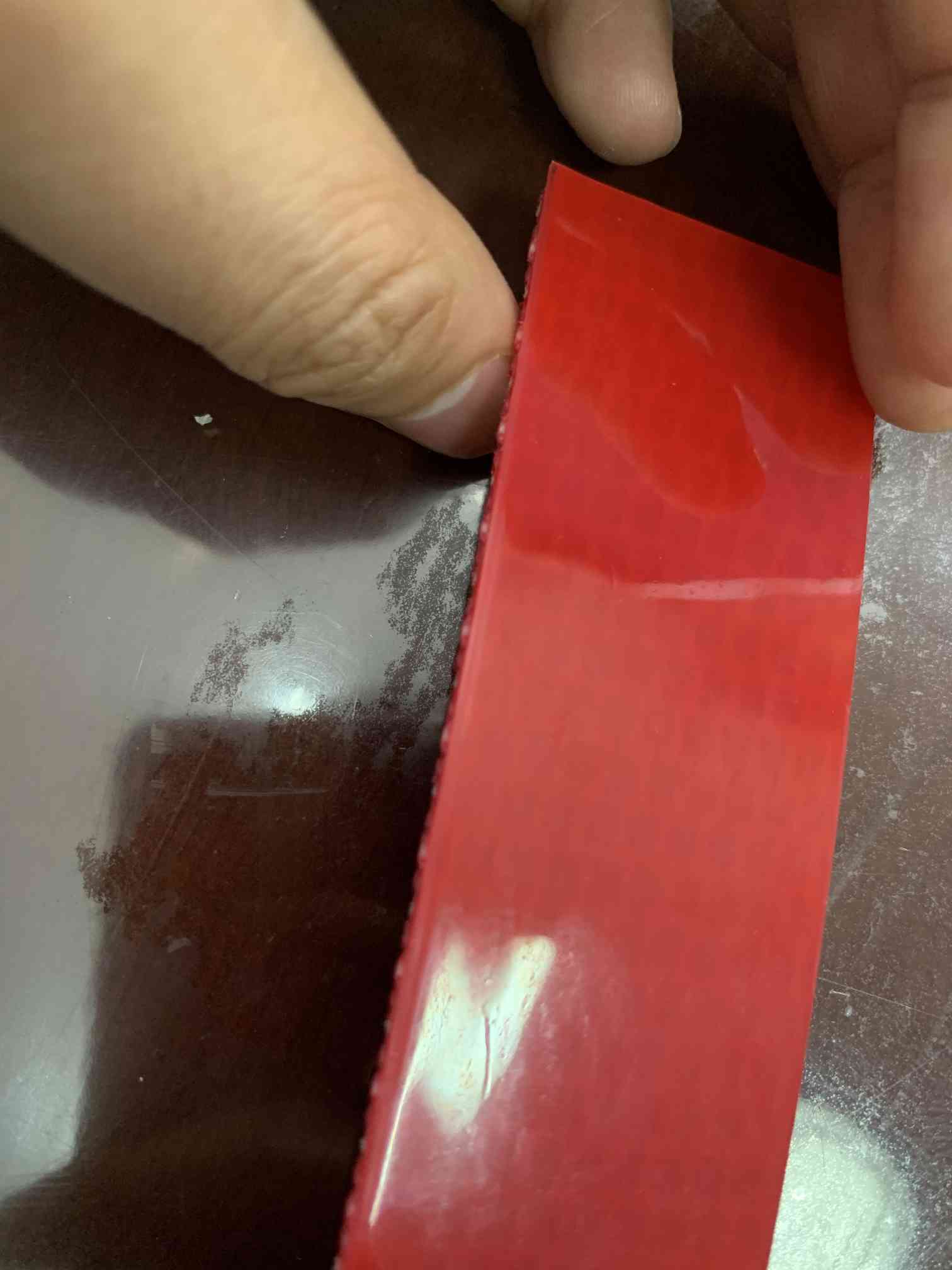
Industrial Applications of TPU Conveyor Belts
Thanks to their versatility and advanced material performance, TPU conveyor belts are now widely used across numerous industrial sectors.
The food processing industry remains one of the largest application sectors.
TPU conveyor belts are commonly used in:
- Meat processing lines
- Poultry production
- Seafood processing
- Bakery transport systems
- Vegetable washing systems
- Dairy packaging
- Drozen food production
The non-toxic and hygienic characteristics of TPU materials make them highly suitable for environments involving direct food contact.
Logistics and warehouse automation represent another rapidly expanding market.
Modern e-commerce distribution centres rely heavily on conveyor systems for:
- Parcel sorting;
- Package transportation;
- Automated warehousing;
- Distribution routing.
TPU conveyor belts support these applications because they combine durability with smooth, high-speed performance.
The pharmaceutical manufacturing industry is also increasingly dependent on TPU conveyor systems due to sanitation requirements.
Additional application sectors include:
- Textile manufacturing
- Agricultural processing
- Electronics assembly
- Automotive production
- Printing and packaging
- Recycling systems
Industrial suppliers such as Wuxi Shunsheng are continuing to expand their product lines for TPU conveyor belts to meet the growing global demand for customised industrial conveying solutions. According to technical product information, TPU conveyor systems are particularly valued in industries requiring high durability, food safety, flexibility, and operational stability.
As automation technology advances, the use of TPU conveyor belts is expected to continue expanding across intelligent manufacturing environments worldwide.
Maintenance, Lifespan, and Operational Efficiency of TPU Conveyor Belts
One of the strongest commercial advantages of TPU conveyor belts is that they require relatively little maintenance compared with many conventional conveyor systems.
TPU materials possess high abrasion resistance and excellent mechanical stability, meaning belts generally maintain operational performance for extended periods.
However, proper maintenance is still essential for maximising the lifespan of the conveyor.
Recommended maintenance practices include:
- Regular belt cleaning;
- Proper tension adjustment;
- Roller inspection;
- Alignment monitoring;
- Surface damage inspection;
- Lubrication management.
Hygienic industries often require frequent washdown procedures. TPU conveyor belts are highly suitable for such environments because they effectively resist moisture and cleaning chemicals.
Operational efficiency also depends on correct belt selection.
Factors influencing belt performance include:
- Load weight
- Conveyor speed
- Product type
- Environmental temperature
- Chemical exposure
- Roller diameter
Improper selection can reduce the lifespan of even high-quality TPU conveyor systems.
Modern TPU conveyor belts can achieve a long operational service life while maintaining stable tracking and reducing downtime.
This contributes significantly to:
- Lower total ownership costs
- Improved production continuity
- Higher manufacturing efficiency
Future Trends of TPU Conveyor Belt Technology
The future of TPU conveyor belt technology is closely linked to industrial automation, sustainability, hygiene standards, and intelligent manufacturing systems.
One major trend is the production of TPU in an environmentally responsible way.
Manufacturers are increasingly developing:
- Recyclable TPU materials;
- Energy-efficient production methods;
- Reduced-emission manufacturing;
- Sustainable polymer formulations.
Smart conveyor integration is another rapidly growing trend.
Modern conveyor systems increasingly incorporate:
- IoT monitoring
- Predictive maintenance sensors
- AI-driven inspection systems
- Automated tracking controls
TPU conveyor belts are highly compatible with these intelligent manufacturing technologies thanks to their precision, stability, and lightweight structure.
Food safety regulations are also becoming stricter globally. This will likely continue to increase the demand for hygienic TPU conveyor systems within the food and pharmaceutical sectors.
Advanced material engineering may further improve TPU performance by:
- Enhanced anti-static properties;
- Greater chemical resistance;
- Improved heat resistance;
- Lower friction surfaces;
- Increased energy efficiency.
Industrial automation growth across Asia, Europe, and North America will continue to drive demand for TPU conveyor belts in the coming years.
FAQ About TPU Conveyor Belt
- What is a TPU conveyor belt?
A TPU conveyor belt is a conveyor system made from thermoplastic polyurethane materials designed for durability, flexibility, hygiene, and industrial conveying performance.
- What are the advantages of TPU conveyor belts?
Major advantages include abrasion resistance, oil resistance, flexibility, food safety, long service life, and low maintenance requirements.
- Are TPU conveyor belts food-safe?
Yes. Many TPU conveyor belts meet FDA and food-grade standards for food processing applications.
- What industries use TPU conveyor belts?
Industries include food processing, logistics, pharmaceuticals, packaging, agriculture, automotive manufacturing, and electronics production.
- How long do TPU conveyor belts last?
Lifespan depends on operating conditions, but TPU conveyor belts generally last longer than many PVC conveyor systems due to superior wear resistance.
- What is the difference between TPU and PVC conveyor belts?
TPU conveyor belts usually offer better abrasion resistance, flexibility, hygiene, and oil resistance than PVC conveyor belts.
Conclusion
TPU conveyor belt technology is one of the most significant developments in modern industrial material handling systems. Combining the flexibility of elastomers with the mechanical durability of advanced thermoplastic materials, TPU conveyor belts deliver superior performance in a variety of demanding industrial applications. Their exceptional abrasion and oil resistance, hygienic properties, flexibility, chemical stability, and long operational lifespan make them a popular alternative to traditional PVC and rubber conveyor systems in industries requiring reliable, efficient, and sanitary conveying solutions.
As manufacturing environments become more automated, intelligent and quality-focused, the use of TPU conveyor belts is expanding into areas such as food processing, logistics, pharmaceuticals, packaging, agriculture, electronics and smart factory systems. Modern industrial buyers no longer evaluate conveyor belts solely based on the initial purchase price; instead, they prioritise long-term operational efficiency, reduced maintenance, hygiene compliance and production stability. TPU conveyor belt systems closely align with these evolving industrial priorities.
Suppliers such as Wuxi Shunsheng are contributing to the global growth of TPU conveyor technology by providing advanced conveying solutions designed for high-performance industrial applications. Thanks to ongoing innovations in material science, automation integration, sustainability, and intelligent manufacturing systems, TPU conveyor belts are expected to remain one of the most valuable and versatile technologies for industrial production and material handling in the future.