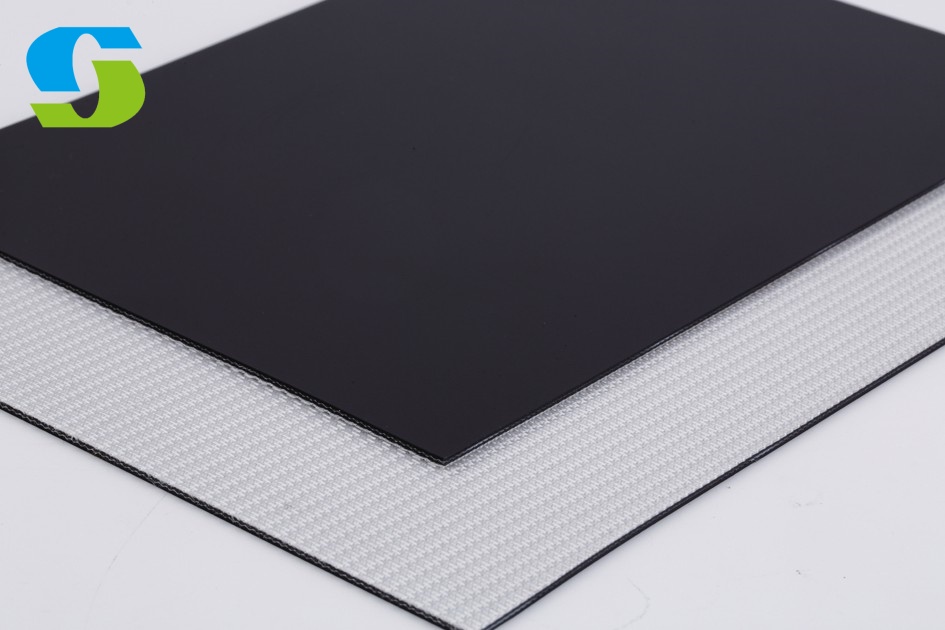
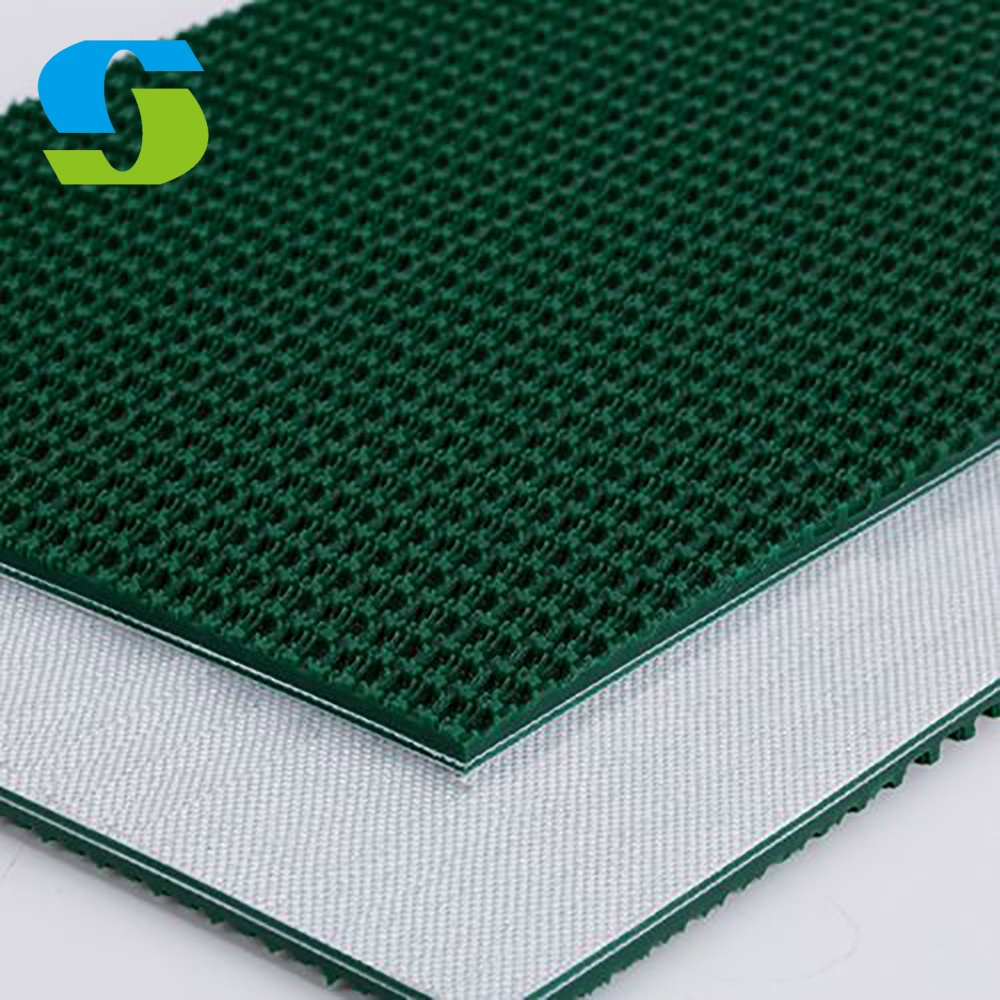
In the fast-moving, demanding industry of today, the efficiency, reliability, and safety of material transportation systems have become important factors in productivity. Among this type of system, the PVK conveyor belt has become one of the most popular and effective solutions. It provides a superior combination of durability and versatility that is applicable to numerous industrial fields.
Unlike the traditional PVC or rubber belt, the PVK conveyor belt is made from a fabric that is impregnated with polyester and contains a lot of nitrile and polyvinyl chloride (PVK). It has both flexibility and extreme strength. It’s specifically designed to withstand heavy weight, rapid operation, and abrasive environments. It is a backbone component in logistics, manufacturing machinery, mining, chemical, and food production.
The Composition and Performance of PVK Conveyor Belts
A PVK conveyor belt is a hybrid device that is intended for harsh environments. Its performance advantage is derived from the unique impregnation technology employed, which is capable of reaching the fabric’s core. This technology creates a single, solid material that is resistant to tears, delamination, and environmental degradation.
The base layer is composed of high-tensile polyester fabric that is chosen for its stability and capacity to carry weight. The top and bottom surfaces are coated with PVK substance—a hybrid combination of polyvinyl chloride and nitrile rubber that offers oil resistance, wear resistance, and chemical stability.
From a manufacturing perspective, PVK belts exhibit:
-
Exceptional tensile strength, maintaining shape and function even under prolonged tension.
-
Low stretch rate, preventing deformation in high-speed conveying.
-
Anti-static performance, ensuring safety in electronic or explosive environments.
-
Excellent temperature stability, suitable for both cold storage and heated production lines.
These features make PVK belts ideal for conveying a wide range of goods—from steel components to pharmaceuticals—without compromising hygiene or performance.
Application Across Major Industrial Sectors
PVK conveyor belts are not limited to a single use case; they are a universal solution adapted to multiple sectors due to their mechanical versatility and chemical resilience. Below are the primary fields where PVK belts play a defining role.
Machinery Manufacturing Industry
In manufacturing machinery and equipment, impregnated PVK conveyor belts have a crucial role in material transport. They facilitate procedures like component transport, packaging, assembly, and part lifting. Their resistance to wear and high tensile strength guarantee that even large steel components can be moved without the risk of fatigue or slippage.
Additionally, their anti-Oil properties make them ideal for operations that require lubricants or coolants; these properties prevent the contamination of the material and maintain a hygienic work surface.
Port and Terminal Industry
In seaports, terminals, and logistics centers, conveyor belts have experienced some of the most difficult conditions: humidity, salt corrosion, heavy weight, and long hours of employment. The PVK belt is superior in these environments because of its acid and alkali resistance and superior weatherproof quality.
They’re employed in the unloading of cargo, the sorting of containers, and the loading of ships, where environmental fatigue is often the cause of failure. The structural integrity of the PVK belt guarantees its effectiveness in both dry and wet conditions.
Mining and Metallurgical Industry
The mining sector requires materials that can withstand abrasion, high stress, and contamination that occurs as a result of particles. PVK conveyor belts are designed to withstand this mechanical pressure, which makes them ideal for transporting material, screening ores, and crushing them.
In metallurgical plants, these bands have the capacity to maintain stability at high temperatures and in the presence of dust and chemicals. The surface that is impregnated with the belt is resistant to the puncturing effects of sharp metal objects, which increases the belt’s lifespan and reduces the cost of downtime.
Chemical Industry
Within chemical plants that frequently encounter substances that are toxic or corrosive, PVK conveyor belts have a high degree of chemical resistance. They sustain acids, alkalis, and solvents that would otherwise adversely affect conventional rubber hats.
The anti-static layer prevents the generation of sparks. This is a crucial safety feature in hazardous environments; its surface finish promotes the smooth transmission of particles, including granules, powdered substances, and containers, without the formation of adhesion.
Food and Pharmaceutical Industry
Hygiene and safety are crucial to the food and pharmaceutical industries. PVK conveyor belts are most commonly used for the transport of pre-packaged goods, the sorting of pharmaceuticals, and the handling of food containers. Their smooth, non-porous surface doesn’t promote bacterial growth and is easy to clean. Additionally, their non-toxic composition adheres to the FDA and the EU’s food-grade standards.
This causes them to be ideal for use in meat processing, packaging for bakery products, and pharmaceutical production, where the control of contamination is crucial.
Advantages of PVK Conveyor Belts
The decision to adopt PVK conveyor belts is not just a matter of durability—it is a strategic investment that brings measurable returns across cost, safety, and productivity.
Cost Savings
PVK conveyor belts offer a significantly extended lifespan compared to traditional materials, resulting in reduced maintenance and replacement costs.
-
Reduced Maintenance: Their abrasion resistance minimizes surface wear, reducing belt change frequency and downtime.
-
Extended Lifespan: With robust mechanical and chemical endurance, PVK belts can last 2–3 times longer in high-stress environments.
-
Energy Efficiency: The low friction coefficient of PVK material decreases the drive motor load, saving energy during continuous operation.
Improved Productivity
A well-designed conveyor belt system improves operational flow. PVK belts contribute to efficiency through:
-
Stable Operation: Their flexibility and consistent grip ensure smooth transport even under variable loads.
-
Low Noise: Factories report up to a 30% reduction in operational noise compared with rubber belts.
-
Continuous Performance: PVK belts retain their elasticity and alignment even after extended use, reducing unplanned stoppages.
Enhanced Safety and Compliance
PVK conveyor belts incorporate anti-static and fire-retardant properties, critical in hazardous industrial environments.
-
Chemical Resistance: They resist degradation from oils, fuels, and corrosive chemicals.
-
Static Dissipation: Prevents sparks that can trigger fires in chemical or electronic facilities.
-
Regulatory Compliance: Many PVK belts are certified for food contact, meeting ISO and CE standards for workplace safety.
Environmental and Sustainability Benefits
The long lifespan of the PVK belt is directly responsible for environmental sustainability. Fewer substitutes lead to lower waste and lower carbon emissions associated with manufacturing, as well as less energy devoted to the belt’s lifetime.
Additionally, some manufacturers have begun utilizing recyclable PVK compounds and environmentally friendly impregnation methods, in line with global green manufacturing principles.
Design Innovations and Future Development of PVK Conveyor Belts
As industrial automation advances, PVK conveyor belt technology continues to evolve, integrating smarter materials, digital monitoring, and sustainability-driven design.
Structural Optimization
New generations of PVK belts incorporate multi-layer reinforcement fabrics that enhance flexibility while maintaining tensile strength. Advanced impregnation processes ensure uniform PVK penetration, eliminating weak points that traditionally caused layer separation.
Smart Conveyor Systems
Modern conveyor systems now integrate sensor-based monitoring for temperature, vibration, and surface wear. When combined with IoT connectivity, these sensors enable predictive maintenance—identifying early signs of wear or misalignment before they cause downtime.
PVK belts designed for such systems often include embedded RFID tags for real-time tracking and maintenance scheduling.
Customization for Industry Needs
Manufacturers now offer custom PVK conveyor belts for specialized sectors. Examples include:
-
Anti-slip surfaces for steep incline conveyors in logistics centers.
-
Flame-retardant PVK belts for underground mining operations.
-
Food-grade PVK belts with anti-microbial coatings for packaging lines.
-
Heavy-duty PVK belts reinforced for airport baggage systems or postal sorting lines.
Such customization not only improves operational reliability but also enhances safety and productivity in niche applications.
Green Manufacturing and Circular Economy
Sustainability is reshaping the conveyor belt industry. Manufacturers are developing PVK belts that use solvent-free impregnation and recyclable polymers. By reducing volatile organic compound (VOC) emissions and using reclaimed polyester fibers, PVK belt production becomes more environmentally responsible.
Furthermore, initiatives are underway to recover worn-out PVK belts, reprocess them into secondary products, and thus close the materials loop—paving the way for circular economy practices in industrial materials handling.

Real-World Factory Applications and Success Cases
In practice, PVK conveyor belts have been essential in improving the efficiency of factories and reducing costs.
For instance, in automotive components manufacturing, PVK belts are responsible for handling large metallic components while also resisting grease and the heat associated with the manufacturing process. In the packaging of the agro-industry, they guarantee the clean, rapid transportation of seed bags without slipping.
In international maritime operations, PVK belts have a strong reputation for maintaining their integrity in the face of harsh weather. This is noteworthy in comparison to other materials that have a tendency to break or stretch. Their dependability has led to significant increases in efficiency of throughput and a decrease in unplanned standstill.
Large food factories that process large amounts of food have also incorporated PVK belts for their hygienic benefits. The smooth surface of the belts facilitates quick washes, meeting the HACCP standards for sanitation and reducing the risk of bacteria, while still maintaining their effectiveness in cold or damp conditions.
The Long-Term Value of Investing in PVK Conveyor Belts
While PVK belts may initially cost slightly more than standard PVC types, the total cost of ownership (TCO) is significantly lower. The reduced need for replacements, fewer operational interruptions, and lower energy consumption lead to tangible savings over time.
From a strategic viewpoint, adopting PVK conveyor belts reflects a company’s commitment to:
-
Long-term operational stability
-
Workplace safety and compliance
-
Environmental responsibility
-
Product quality assurance
In global manufacturing, where competition is fierce and margins are narrow, such long-term reliability can be the defining factor between success and stagnation.
The PVK conveyor belt is the meeting place of material science, mechanical engineering, and industrial innovation. It has evolved from being merely a means of transportation to being a fundamental component of modern automated systems.
Its unique technology of impregnation is responsible for providing exceptional resistance to wear, chemical stability, and flexibility. This technology is essential to many industries, including heavy manufacturing and food processing. With the continued evolution of smart monitoring and sustainable design, PVK conveyor belts will still be of great importance to the efficient and environmentally conscious handling of materials in the future.
For companies that want to increase productivity, reduce costs, and maintain compliance in environments that are demanding environments, investing in PVK conveyor systems is not just a choice; it’s a strategic approach to achieving industrial excellence.