Belts that convey material are the lifeblood of modern transportation systems. From the mining of minerals to agriculture, to food processing, transportation, and packaging, bandes transporteuses have been used in industries that require consistency, efficiency, and safety in the movement of materials over short or long distances. Despite the commonality of the concept of a conveyor belt, its design and selection of materials are specialized, designed specifically for each sector.
Understanding the different types of conveyor belts is crucial to engineers, procurement specialists, and facility managers who want to maximize the efficiency of their operations and reduce the cost of maintenance. This article discusses the different types of conveyor belts in detail, categorized by design, material, application, and functionality.
Conveyor Belts by Structural Design
Conveyor belts can be broadly classified according to their structural characteristics, which determine how they handle loads, their flexibility, and the types of materials they can transport.
Flat Belt Conveyors
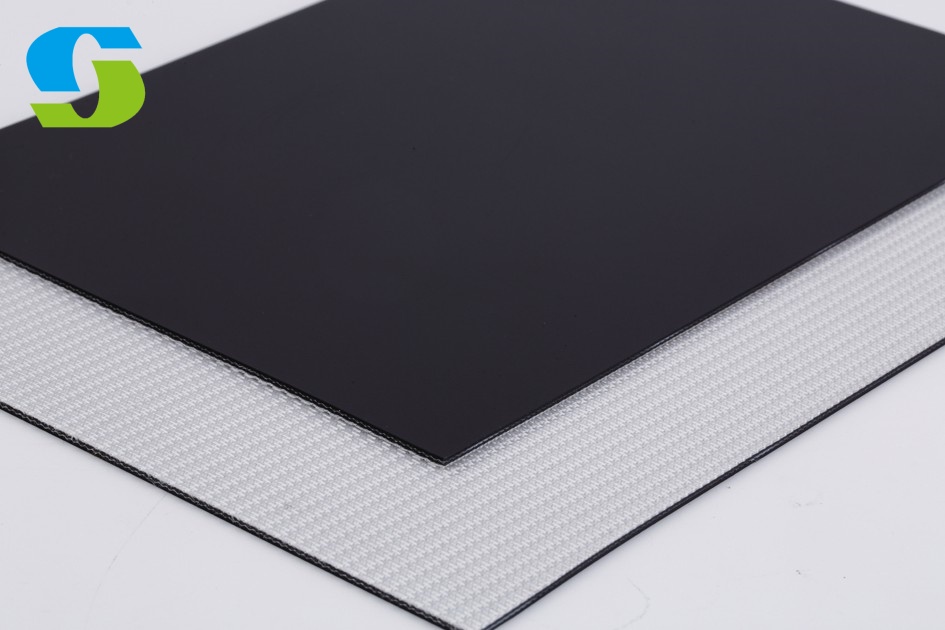
Flat conveyors that are elevated are the most popular type. They’re made up of a flat band that moves over pulleys; this makes them ideal for transporting packaged goods or components in a direct path. The simplicity of the design promotes low costs of maintenance and easy installation; this is why flat conveyors are commonly used in logistics centers, production lines, and food packaging facilities. Their smooth surface facilitates the stable transmission of light to medium-weight objects, and they can be extended over significant distances with minimal mechanical difficulty.
Modular Plastic Belt Conveyors
Modular plastic belts are composed of interlocking plastic segments. This design increases the stability of the belt and allows it to bypass obstacles, inclines, or declines without additional mechanisms for tension. Modular belts are particularly beneficial in industries that require frequent cleaning, such as food processing or pharmaceuticals. The segmented design allows for easy removal and maintenance. Also, modular plastic belts are resistant to moisture, chemicals, and microbial growth, which makes them highly flexible for use in hygienic applications.
Cleated and Sidewall Belts
Belts that are cleated have vertical profiles or ridges that prevent the material from slipping back on paths that are inclined. Sidewall belts further enhance this concept by adding corrugated walls to the edges. This creates spaces that can hold bulk materials at steep angles, sometimes vertical. These designs are essential in the bulk handling of materials, including mining, agriculture, and recycling. They diminish the amount of spillage, conserve floor space, and facilitate the transportation of materials to higher elevations more efficiently.
Steel Cord and Fabric Belts
Steel cord belts utilize steel cables that are longitudinally embedded in the belt’s carcass; these cables have a high tensile strength and a limited elongation. They’re particularly beneficial for applications that require heavy-duty, such as mining or port operations, where long distances high high-capacity transportation is necessary. Fabric belts, however, utilize textile components like polyester, nylon, or cotton to strengthen. Belts made of fabric are more malleable and have a simpler installation; this makes them appropriate for lighter loads or mid-range operations in agriculture and other manufacturing. Each structural type has a different approach to balancing strength, flexibility, and cost, which enables engineers to choose based on practical considerations.
Conveyor Belts by Material Composition
The material of a conveyor belt determines its durability, heat resistance, chemical tolerance, and suitability for specific industries.
-
Rubber Belts: Highly durable and flexible, rubber belts handle heavy loads and resist abrasion, impact, and certain chemicals. They are commonly found in mining, quarrying, and heavy industrial applications.
-
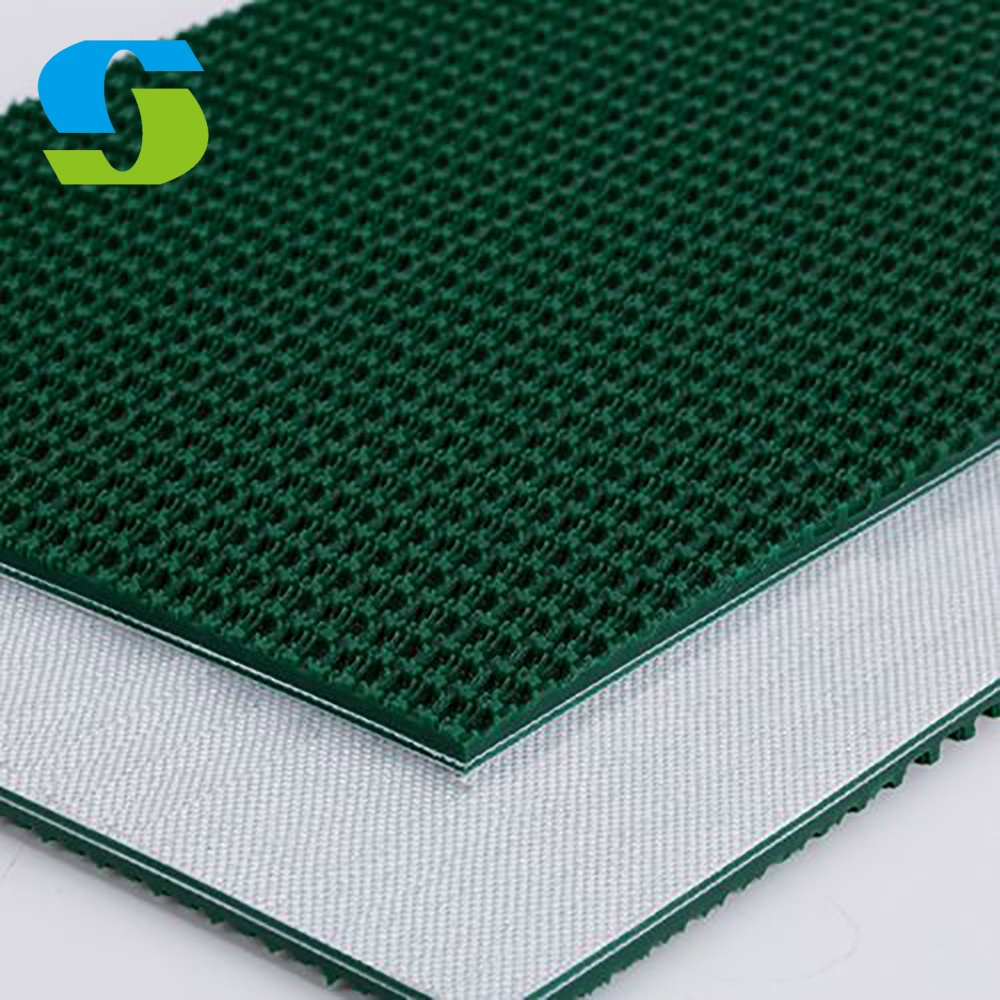
PVC Belts: PVC belts are cost-effective, lightweight, and resistant to oils and fats, making them ideal for indoor use and packaging or logistics operations.
-
Polyurethane (PU) Belts: PU belts are food-grade, lightweight, and offer excellent hygiene standards. They are frequently used in meat, bakery, and pharmaceutical processes due to their resistance to microbial growth.
-
Metal Belts: Constructed from stainless steel or alloy metals, these belts withstand high temperatures, are fireproof, and provide exceptional durability for heat-intensive processes such as baking, drying, or metal processing.
-
Specialty Belts (Silicone, Teflon/PTFE): These belts combine heat resistance and non-stick properties, suitable for chocolate processing, industrial ovens, or chemical manufacturing.
Key Insight: Material choice is determined not only by load and environment but also by hygiene, regulatory requirements, and chemical exposure. For example, PU and PTFE belts dominate the food industry because of their cleanability and compliance with safety standards.

Conveyor Belts by Functional Application
Conveyor belts also vary according to operational and environmental conditions.
-
High-Temperature Belts: Designed to tolerate temperatures exceeding 150°C, typically in glass, metal, or chemical industries.
-
Food-Grade Belts: Manufactured from materials compliant with FDA or EU standards, ensuring hygiene, non-toxicity, and ease of cleaning.
-
Anti-Static Belts: Essential in electronics, pharmaceuticals, and chemical industries to prevent static discharge.
-
Flame-Retardant Belts: Common in mining and underground facilities to minimize fire hazards.
A single belt type can sometimes combine multiple features. For example, a food-grade PU belt might also be heat-resistant and anti-static, addressing both operational and safety requirements simultaneously.
Movement and Layout Considerations
The physical layout and movement pattern of a conveyor system also influence belt selection.
-
Incline/Decline Conveyors: Require cleated belts or friction-enhancing surfaces to prevent material slippage.
-
Curved Conveyors: Allow goods to navigate directional changes without transferring between separate conveyors, commonly seen in airport baggage systems or distribution centers.
-
Vertical or Z-Type Conveyors: Move materials between floors or platforms efficiently, saving floor space while handling bulk or packaged goods.
Careful assessment of movement requirements ensures that the belt type aligns with operational needs and maintains product stability.
How to Select the Right Conveyor Belt
Choosing the correct conveyor belt requires a holistic evaluation of multiple factors:
-
Material Type and Weight: Heavier bulk materials may require steel cord or cleated belts, while light packaged goods may use flat PVC or PU belts.
-
Operating Environment: Temperature extremes, chemical exposure, or food safety regulations influence material and belt type.
-
Load and Speed Requirements: High-speed operations require low-friction belts with strong tensile properties.
-
Layout Constraints: Inclines, curves, and vertical transfers determine whether cleats, sidewalls, or modular designs are needed.
-
Maintenance Considerations: Modular belts allow easier segment replacement, whereas steel cord belts may require specialized handling.
Selecting the optimal conveyor belt reduces downtime, enhances safety, and minimizes total operational costs.
Emerging Trends in Conveyor Belt Technology
Conveyor systems continue to evolve with industrial automation:
-
Smart Belts: Embedded sensors monitor wear, speed, and alignment for predictive maintenance.
-
Energy-Efficient Materials: New composites reduce motor load while maintaining strength.
-
Hygienic Surfaces: Antimicrobial and easy-to-clean belts dominate food and pharmaceutical sectors.
-
Sustainability: Recycled polymers and eco-friendly manufacturing processes are increasingly adopted.
These trends ensure that conveyor belts not only meet current operational demands but also align with future automation, sustainability, and safety standards.
Conveyor belts are more than simple moving tools; they are designed as solutions to specific problems that are tailored to the industry. Understanding the structural types, materials, functional properties, and movement requirements of their designs is crucial to any engineer, manufacturer, or logistics professional.
By combining the stability of the conveyor belt, its hygiene, environmental conditions, and efficiency in operation, the belt’s role in balancing the three aforementioned qualities is crucial in the facilitation of flow reduction and increased productivity. From belts for light bulbs to heavy bulk material, the variety of options available allows every material handling issue to be addressed with the appropriate technology.
Ultimately, choosing the appropriate type of conveyor belt is a strategic decision. It negatively affects the efficiency of operations, safety, maintenance, and cost-benefit. With the continued evolution of materials and automation technology, conveyor belts will still be an important component of modern industrial systems for a long time to come.